


Autumn walk hazards: conkers, acorns and more
Conkers, acorns, mushrooms and dark evenings: what to watch for on autumn walks, and what to do on wet days.

Autumn might be the best walking season of the year. Cool air, crunchy leaves, no worrying about hot pavements. It is also the season when parks and woods fill up with things dogs love to sniff, pick up and swallow, from conkers and acorns to windfall fruit and mushrooms that appear overnight after rain.
Add muddy paths and the clocks going back in late October, and autumn walks need a little more thought. Here is what to watch for, and what to do on the days when the weather wins.
Conkers and acorns can make dogs ill if chewed or swallowed, and can cause blockages. Treat every wild mushroom as dangerous, keep dogs away from fallen fruit, and make your dog easy to see on dark evenings. If your dog eats something worrying, call your vet straight away.
Are conkers poisonous to dogs?
Yes, conkers can make dogs ill. These shiny brown seeds of the horse chestnut tree can cause an upset stomach, with vomiting and diarrhoea, if your dog chews or swallows them. Their size and hard shell also make them a choking risk, and a swallowed conker can get stuck in the gut.
- Do not throw conkers for your dog to fetch, however tempting.
- Keep your dog close or on a lead under horse chestnut trees in September and October.
- If your dog has a mouthful, swap it for a treat rather than chasing them.
Are acorns bad for dogs?
Acorns can also make dogs ill if they eat them, particularly in any quantity, and like conkers they can cause a blockage. They drop in large numbers under oak trees, so a dog that likes to hoover up whatever is on the ground can eat a lot very quickly. Puppies and young dogs, who explore with their mouths, are the most likely culprits.
Is fallen fruit dangerous for dogs?
Windfall apples, pears and plums are everywhere in autumn, in parks, orchards and back gardens. Fruit that has started to rot or ferment can upset your dog's stomach, and stones and cores are a choking and blockage risk.
If you have fruit trees, clear the windfalls regularly. On walks, keep your dog moving past the orchard rather than letting them graze.
Are wild mushrooms dangerous for dogs?
Treat every wild mushroom and toadstool as dangerous. Some are harmless and some are highly toxic, and it is not possible to tell them apart at a glance. They pop up in lawns, parks and woods after rain, often overnight.
- Check your garden for new mushrooms after wet weather, and remove them.
- On walks, steer your dog away from any fungi you see.
- If your dog eats one, call your vet straight away. Do not wait for symptoms.
- If you can, take a photo of the mushroom, or wrap one in kitchen roll to show the vet.
Good autumn habits
- A lead or long line under conker and oak trees
- A pocket full of tasty treats for swaps
- Regular garden checks for mushrooms and windfalls
- Paw checks and a towel by the door
Keep away from
- Conkers and acorns
- Wild mushrooms and toadstools
- Rotting fruit, stones and cores
- Antifreeze spills on driveways and garage floors
How do I stop my dog picking things up on walks?
Most dogs scavenge because it is fun and rewarding. The answer is to make leaving things alone even more rewarding.
- Practise "leave it" and "drop it" at home, with a really good treat as the reward, before you rely on them in the park.
- Use a lead or long line in the worst spots, so you can steer your dog away calmly.
- Keep them busy. A dog playing with you, or sniffing out a hidden treat, is not hunting for acorns.
- Make home the best bit. A frozen toy waiting after the walk gives your dog something better to look forward to than whatever is on the ground.
How do I keep my dog safe on dark, muddy evenings?
Once the clocks go back, the after-work walk happens in the dark. Make sure you can see your dog, and that drivers and cyclists can too.
- A reflective or hi-vis collar, harness or coat, or a clip-on light
- A torch for you, so you can see what your dog is sniffing
- A lead near roads, as recall is harder in the dark
- Familiar, well-lit routes on the darkest evenings
Mud brings its own jobs. Keep a towel by the door, wipe paws and legs after walks, and check between the toes and pads for cuts, thorns and burrs. While you are at it, keep antifreeze sealed and mop up any spills straight away, as it is extremely dangerous to dogs.
Our guide to keeping your dog calm on Bonfire Night covers the other big change to autumn evenings.
What can I do with my dog on a rainy day?
Some days the walk is a washout. A shorter walk plus some brain work indoors will leave your dog just as content.
- Frozen toys: licking out a frozen fill is calm, absorbing work that lasts up to 45 minutes.
- Sniffing games: hide a few treats around a room and let your dog find them.
- Scatter feeding: sprinkle part of their dinner across a towel or the garden lawn.
- Short training sessions: five minutes of practising "leave it" counts as enrichment too.
“Layla loves this ! She spends a good 30 minutes with it in the afternoons when she doesn’t get her second walk of the day .”
Lisa D., verified buyer
For fill ideas using things already in your cupboards, try our frozen dog treats from UK supermarket ingredients, and for longer evenings in, our indoor enrichment ideas for dark evenings.
When should I call the vet?
- Your dog has eaten conkers, acorns, a wild mushroom or fruit stones
- Vomiting, diarrhoea, drooling or tummy pain
- Lethargy, wobbliness or unusual behaviour
- Not eating, or straining without passing anything
- You think your dog may have licked or drunk antifreeze: treat it as an emergency
- A cut pad that will not stop bleeding
When in doubt, ring your vet. It is always better to call about something that turns out to be nothing.
General information, not veterinary advice. If you think your dog has eaten something harmful, contact your vet immediately.
Frequently asked questions
-
Conkers can make dogs ill if chewed or swallowed, causing vomiting and diarrhoea, and they can cause choking or a blockage. Call your vet if your dog eats one.
-
Acorns can make dogs ill, particularly in quantity, and can cause a blockage. Call your vet for advice, especially if your dog has eaten several or seems unwell.
-
Treat every wild mushroom as dangerous, because safe and toxic ones cannot be told apart at a glance. If your dog eats one, call your vet straight away and take a photo if you can.
-
Rotting or fermenting windfalls can upset a dog's stomach, and cores and stones are a choking and blockage risk. Clear windfalls from the garden regularly.
-
Use a reflective or hi-vis collar, harness or coat, or a clip-on light, carry a torch, and keep your dog on a lead near roads.
Shop this guide
Buy 2 save 15% · 3 save 20% · 4 save 25%
-
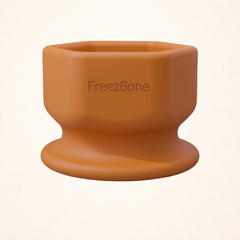
FreezCup
FreezCup is a compact, versatile chew toy with a unique cup-shaped design that takes...
£25.95
Shop FreezCup - Long-Lasting Chew Fun -
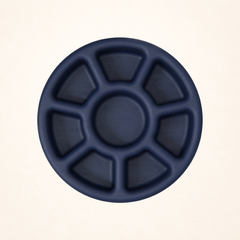
FreezWheel
Introducing the FreezWheel - a dynamic chew toy with a wheel-shaped design featuring multiple...
£25.95
Shop FreezWheel - Durable Interactive Chew -
Best Seller Bundle
The Best Seller Bundle brings together three of our most loved enrichment toys — FreezBall Navy (Large), FreezSwirl...
£56.85
Shop Best Seller Bundle - Our Most Popular Set

Keep reading in Health & Safety

Bonfire Night and fireworks: how to keep your dog calm
A simple before, during and after plan for Bonfire Night, Diwali and New Year's Eve fireworks.

Christmas foods that are dangerous for dogs
Mince pies, pudding, stuffing and turkey bones: what to keep away, what's fine, and a calm plan for the day.

Rabies and Your Dog: A UK Owner's Guide to Jabs, Bites and Travelling Abroad
Why rabies still matters for UK dogs that travel, what the jab does, and what to do after a bite abroad.