


Dark Evenings: Indoor Enrichment Ideas for Dogs
Frozen toys, lick mats, sniffing games and a simple routine for when it is dark by teatime.

The clocks go back at the end of October and, almost overnight, the after-work walk happens in the dark. Add a week of rain, paths turned to mud and a dog who still has the energy of a long summer evening, and you get the familiar winter scene: a restless dog pacing the hallway at seven o'clock while you count the hours until bedtime. Indoor dog enrichment is how you fill that gap. Not more exercise, but more for their brain to do.
On dark evenings, swap some walking time for indoor enrichment: a frozen toy after the walk, a lick mat while you cook, scatter feeding or "find it" games, five-minute training sessions and a toy box you rotate every few days. Thinking work uses up the energy a short walk leaves behind, and none of it needs daylight.
Why do dogs get restless when the clocks go back?
Your dog has no idea what British Summer Time is. What they notice is that their day has changed shape.
- Walks get shorter. Nobody lingers on a dark, wet field, so the evening walk shrinks to a quick loop of the streetlights.
- There is less sniffing. A brisk walk on the pavement gives a dog far less to investigate than a slow wander through a park, and sniffing is a big part of what makes a walk satisfying.
- The routine shifts. Dinner, walk and bedtime can all move around when it gets dark at teatime.
- Everyone is inside. More time in the house means more time to get bored, and a bored dog finds their own entertainment, usually involving a shoe.
The aim is not to replace the walk. It is to give your dog's brain the work their nose would have done outside.
What can you do with your dog on a dark evening?
These five ideas need no garden, no daylight and no special training. Mix and match them across the week.
1. Freeze a toy before you leave for work
The easiest win of the lot. Fill a toy in the morning, freeze it, and hand it over when you get back from the evening walk. A frozen fill takes far longer to work through than a bowl of food, and the licking and chewing help many dogs settle for the evening. If you want ideas that use what is already in the fridge, our frozen dog treats from UK supermarket ingredients has six.
“Holly loves her freezebones. She gets one early every evening... It's filling and calming.”
Priscilla S., verified buyer
2. Put a lick mat down while you cook
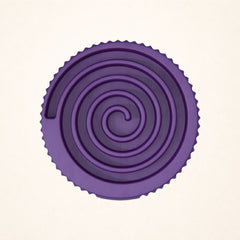
Teatime is often when dogs are most demanding, because it is when you are busiest. Spread a thin layer of natural yoghurt or mashed sweet potato on a lick mat, or into the spiral of a FreezSwirl, and give it to your dog as you start cooking. Freeze it first if you need it to last longer.
3. Scatter feed or play "find it"
Instead of putting dinner in a bowl, scatter part of it across a towel, a snuffle mat or a clean patch of floor and let your dog sniff it out. Once they have got the idea, start hiding a few pieces of kibble around one room while they wait in another, then say "find it". Start easy, with pieces in plain sight, and make it harder as they get the hang of it.
4. Play five-minute training games
Short sessions work best, and the evening is a good time for them. Teach a new trick, practise a solid "settle" on their bed, or play "which hand" with a treat hidden in one fist. A few rounds of thinking can take the edge off a restless evening.
5. Rotate the toy box
A toy that has been on the floor for a month is wallpaper. Split your dog's toys into three or four groups and put only one group out at a time, swapping every few days. Old toys feel new again, and you have not bought a thing.
What does a good dark-evening routine look like?
Morning
- Fill and freeze a toy for later
- Get the longest walk of the day in while it is light, if you can
Home time
- A shorter walk with lights on
- Towel down at the door, paws rinsed if muddy
Teatime
- Lick mat while you cook
- Part of dinner scatter fed or hidden for "find it"
Evening
- Five minutes of training
- Frozen toy, then a settled dog on their bed
How do I make a short winter walk count?
- Let them sniff. A slow ten minutes with plenty of stopping often does more than a brisk twenty.
- Change the route. A different street means new smells, even in the dark.
- Be seen. A light-up or reflective collar or harness, and something reflective for you, makes dark pavements and country lanes safer for both of you.
- Keep a towel by the door. Wiping legs and paws when you come in saves the sofa and gives you a moment to check for anything stuck between their toes.
- Watch what they pick up. Autumn paths are full of conkers and acorns, which can make dogs ill. Our guide to autumn walk hazards covers what to look out for.
Dark evenings also bring fireworks. If your dog is nervous of bangs, walk them earlier on the nights around Bonfire Night and keep a frozen toy ready for when the noise starts. Our Bonfire Night guide has the full plan.
What should you watch out for with indoor games?
Good ideas
- Counting enrichment food as part of the day's allowance
- Chasing games on carpet or rugs rather than slippery floors
- Short sessions that end while your dog is still keen
- Supervising your dog with any new toy until you know how they use it
Best avoided
- Adding extra treats on top of a full dinner every night
- Fetch on stairs, hard floors or in narrow hallways
- Leaving a dog alone with a toy they are chewing to pieces
- Foods that are dangerous for dogs, such as chocolate, grapes, raisins, onion or xylitol, in any fill
When is restlessness more than winter boredom?
- Your dog seems low, flat or uninterested in things they usually enjoy.
- They are pacing, panting or unable to settle even after exercise and enrichment.
- Their appetite, thirst or toilet habits change.
- An older dog seems stiff or reluctant to move when it is cold and damp.
Any of these is worth a chat with your vet rather than just more toys.
Making it through to spring
Winter evenings are long, but they do not have to be a battle. A frozen toy, a lick mat and a few games of "find it" turn the dark hours into time your dog actually enjoys, and give you a quieter evening too. If prepping every day sounds like a chore, our guide to batch-freezing a week of enrichment does the lot in ten minutes on a Sunday, and the Freezbone recipe videos have plenty of fills to try.
Frequently asked questions
-
Give them things to work out rather than more running about: a frozen fillable toy, a lick mat, scatter feeding or hide-and-seek with kibble, short training games and a rotating set of toys. A mix of two or three across the evening is plenty for most dogs.
-
No. Your dog still needs daily walks and a chance to go to the toilet, even when it is dark and wet. Enrichment fills the gap when walks are shorter than usual, and helps use up mental energy a quick walk leaves behind.
-
Scatter feeding means spreading part of your dog's meal across a towel, snuffle mat or clean floor instead of putting it in a bowl, so they have to sniff out every piece. It slows eating down and gives their nose a job.
-
Every few days works well for most dogs. Split the toys into three or four groups, leave one group out and put the rest away. Toys that have been out of sight for a while tend to feel new again.
-
Use a light-up or reflective collar or harness, wear something reflective yourself, keep your dog close on unlit roads and lanes, and watch what they pick up, as autumn paths are full of conkers and acorns.
Shop this guide
Buy 2 save 15% · 3 save 20% · 4 save 25%
-
FreezSwirl
Introducing the FreezSwirl—a versatile chew toy with a unique swirling design that takes your...
£25.95
Shop FreezSwirl - Durable Stimulation Toy -
FreezBall Bundle
More balls, more fun, less prep. This bundle includes three FreezBall enrichment toys, giving your...
£39.85
Shop FreezBall Bundle — Best value on the most-loved bones -
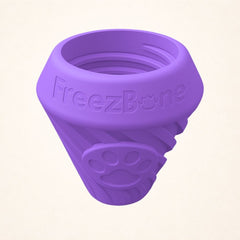
FreezCone
The FreezCone is what happens when enrichment meets smart design. Shaped like an ice...
£26.95
Shop FreezCone – The Ice-Cream–Shaped Enrichment Dogs Can’t Put Down

Keep reading in Enrichment & Boredom

Keeping a dog busy in a flat: enrichment for small spaces
Quiet games, lick toys, sniff walks and balcony safety for dogs who live a few floors up.

Office days: how to leave your dog home alone without the guilt
Build alone time slowly, make leaving boring, and give your dog something good to do when the door shuts.

Rainy day dog enrichment: indoor games for when the walk is a washout
Six indoor games, a muddy-paw drying routine and a frozen toy for when the walk is a washout.