


Office days: how to leave your dog home alone without the guilt
Build alone time slowly, make leaving boring, and give your dog something good to do when the door shuts.

Monday and Friday at home, Tuesday to Thursday on the early train. Hybrid working suits plenty of us, but nobody told the dog. One day you are a permanent fixture on the sofa, the next you pick up your keys and vanish until teatime. If you feel a pang of guilt every time you close the front door, this guide is for you. With a bit of preparation, office days can be calm, predictable and even quite pleasant for your dog.
Build up alone time gradually, starting with a few minutes and practising on your home days. Walk your dog before you leave, keep goodbyes and hellos low-key, and give a frozen toy as you go so your departure means something good. Break up long days with a dog walker, daycare or a friendly neighbour. If your dog shows signs of real distress when left, speak to your vet and a qualified behaviourist.
Why can office days be hard on dogs?
Dogs like routine, and hybrid working gives them two different ones. On home days they have company, a lunchtime walk and someone to follow from room to room. On office days the house goes quiet. Some dogs take it in their stride and sleep through the lot. Others find the switch unsettling, especially puppies, rescue dogs still settling in, and dogs who got used to having someone at home all the time.
How long can you leave a dog home alone?
There is no single number that suits every dog. It depends on their age, health, toilet needs and temperament, and on how well they have learned to be on their own. Puppies cannot hold on for long and need much more company. If your office day is long, plan for someone to break it up, and ask your vet what is realistic for your dog.
How do you get a dog used to being left alone?
The secret is to start much smaller than you think, and use your home days as practice.
Start tiny
- Step out of the room and close the door for a few seconds
- Come back before your dog starts to fuss
Practise at home
- Pop out to the bins, the post box or the corner shop
- Leave them settled with a chew while you work in another room
Stretch it slowly
- Add a few minutes at a time over days and weeks
- Go back a step if your dog seems worried
Take the sting out of the cues
- Pick up your keys or put your coat on, then sit back down
- Your dog learns those signals do not always mean you are leaving
If you have a new puppy, start this from the first week. Our first week at home checklist explains how short, happy spells in the crate or pen lay the groundwork.
How do you make leaving the house easier for your dog?
Make the leaving boring and the frozen toy brilliant. Long, emotional goodbyes can wind a dog up just before they are left alone. Instead, walk your dog and give them a toilet break, then hand over a frozen toy and slip out quietly. When you get home, say a calm hello and save the big fuss for once they have settled.
The frozen toy does two jobs. It gives your dog something absorbing to do in the first stretch after you leave, and over time it changes what your departure means: the door closing becomes the signal that something good has arrived.
“Keeps my dog busy while I am away.”
Giselle B., verified buyer
Choose a toy your dog has already used safely while you were watching, and one that suits their chewing style. Strong chewers need something tough. If your dog tries to break pieces off any toy, do not leave them alone with it.
Freezbone tip
Fill the toy the night before so you are not scraping food into rubber at half past seven. Use part of your dog's breakfast so it does not add extra food to the day. Our guide to batch-freezing a week of enrichment sorts out every office day in one go.
How should you set up the house for office days?
- A safe space. One or two rooms, or a pen, is often more settling than the run of the whole house, and safer.
- Water and a comfy bed. Always.
- Nothing tempting. Shoes away, bins closed, food off the worktops.
- Fewer triggers. If your dog barks at passers-by, close the curtains or keep them out of the front room.
- A comfortable temperature. Think about sunny rooms in summer and chilly ones in winter.
- A camera. A cheap pet camera shows you how your dog really copes, which is far more useful than guessing.
Living in a flat brings its own challenges, from thin walls to neighbours who hear every bark. Our guide to dog enrichment in a flat has ideas for small spaces.
Should you use a dog walker or daycare?
On long office days, a midday break can make all the difference. The options are broadly:
- A dog walker for a walk and toilet break in the middle of the day
- Doggy daycare for sociable dogs who enjoy the company of other dogs. It does not suit every dog
- A friend, family member or neighbour who can pop in for a wee break and a cuddle
Whoever you choose, meet them first, ask about their experience and insurance, and ask for references. Start with a short trial, and see how your dog is when they come home. Leave your vet's details and an emergency contact, and tell them about any quirks, from a dodgy recall to a habit of eating socks.
“Our sweet Bella loves freeze bone so much. She gets so excited when I make it at night and she gets it in the morning when I head off to work.”
Amanda W., verified buyer
Is it boredom or separation distress?
A bored dog might chew a cushion or bark at the postman. A dog in real distress is different. Watch for:
- Barking, howling or whining that goes on and on after you leave
- Scratching or chewing at doors, door frames or windows
- Toilet accidents in a dog who is otherwise house-trained
- Panting, pacing, drooling or trembling when left
- Ignoring the frozen toy completely until you get home
- Following you from room to room and getting upset as you prepare to leave
If you see these signs, speak to your vet first, who can check for anything medical, then ask about a qualified behaviourist. Never punish your dog for what they did while you were out. They are not being naughty, they are struggling, and telling them off will only make leaving harder. Until you have a plan, try not to leave them for longer than they can cope with.
Leaving without the guilt
Most dogs adapt to hybrid working well, especially when office days follow the same pattern each week. Walk, toilet, frozen toy, quiet exit, calm return. Once that routine is in place, you can get on with your day knowing your dog is getting on with theirs, which mostly involves a nap. For the evenings in between, our guide to indoor enrichment for dark evenings has plenty of ideas.
General information, not veterinary advice. If your dog seems distressed when left alone, speak to your vet.
Frequently asked questions
-
There is no single answer. It depends on your dog's age, health, toilet needs and how well they cope alone. Puppies need much more company. On long days, arrange a dog walker, daycare or a neighbour to break it up, and ask your vet what is realistic.
-
Start with a few seconds behind a closed door and build up slowly over days and weeks, practising on your home days. Go back a step if your dog seems worried, and keep departures and returns calm.
-
A frozen toy as you leave gives your dog something absorbing to do and helps your departure feel like a good thing. Use one they have already used safely while you watched, and count the fill as part of their daily food.
-
Not if their needs are met. Walk them before you go, leave them somewhere safe and comfortable with water and something to do, break up long days, and watch for signs that they are struggling.
-
Constant barking or howling after you leave, scratching at doors or windows, toilet accidents in a house-trained dog, panting, pacing or drooling, and ignoring food until you return. Speak to your vet and a qualified behaviourist if you see them.
-
A dog walker suits most dogs who need a midday walk and toilet break. Daycare suits sociable dogs who enjoy other dogs. Whichever you choose, meet them first, check their experience and insurance, and start with a short trial.
Shop this guide
Buy 2 save 15% · 3 save 20% · 4 save 25%
-
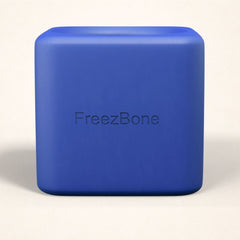
Freezbox
Freezbox: Built for the Strongest Chewers. Loved by the Smartest Dogs. Does your dog...
£26.95
Shop Freezbox - Super Tough Treat Toy -
FreezBall Bundle
More balls, more fun, less prep. This bundle includes three FreezBall enrichment toys, giving your...
£39.85
Shop FreezBall Bundle — Best value on the most-loved bones -
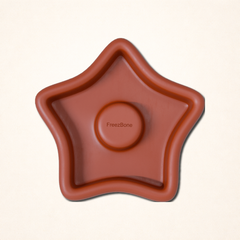
FreezStar
For the Mighty Chewers: Does your furry friend have a strong bite? No worries!...
£21.95
Shop FreezStar - Long-Lasting Star Chew

Keep reading in Enrichment & Boredom

Dark Evenings: Indoor Enrichment Ideas for Dogs
Frozen toys, lick mats, sniffing games and a simple routine for when it is dark by teatime.

Keeping a dog busy in a flat: enrichment for small spaces
Quiet games, lick toys, sniff walks and balcony safety for dogs who live a few floors up.

Rainy day dog enrichment: indoor games for when the walk is a washout
Six indoor games, a muddy-paw drying routine and a frozen toy for when the walk is a washout.