


Healthy on Paper? 5 Quiet Signs Your Dog Needs More From Their Day
Five everyday behaviours that hint at boredom or stress, and the small routine changes that settle them.

Annual check-up done, boosters up to date, flea and worming treatment on schedule, dinner hoovered up in seconds. By every box on the list, your dog is healthy. So why are they eating the skirting board?
Because health is not only what shows up at the vet. Dogs often show small changes in behaviour long before anything physical appears, and those changes can point to stress, boredom, rushed eating or simply not enough for their brain to do. Here are five worth taking seriously, and the small fixes that help.
Constant chewing, restlessness, wolfing food, losing interest in toys and small shifts in mood are often signs of an under-used mind rather than a "naughty" dog. Daily calm enrichment, such as a frozen lick toy, gives those needs an outlet. Any sudden or lasting change still deserves a word with your vet.
| What you see | What it can point to |
|---|---|
| Chewing shoes, furniture, anything | Boredom, stress, too little mental stimulation |
| Pacing, can't settle, evening zoomies | Under-stimulation, built-up stress, no calm routine |
| Dinner gone in seconds | Gulping, possible tummy discomfort, a meal that does not satisfy |
| Ignoring toys, sleeping out of boredom | A samey routine with little to engage them |
| Whining, short attention span, odd changes | Stress building up, a routine out of balance |
Why does my dog chew everything?
Chewing is how dogs release tension and occupy their minds, so some of it is perfectly normal. Chewing furniture and shoes, wrecking things when left alone, or needing to chew even straight after play is different. Excessive chewing often means a need is not being met, and when a dog has no proper outlet, they make their own.
Telling them off rarely fixes it. Redirecting does: give the chewing somewhere acceptable to go. If your dog chews hard, our guide to what tough chewers actually need goes into toy choice.
Working through a frozen fill is slow, repetitive and absorbing, and it keeps your dog focused for far longer than a quick chew on a toy.
Why won't my dog settle, even after a long walk?
A dog who paces, demands attention or tears round the sitting room after a perfectly good walk is not necessarily over-energetic. Physical exercise alone is not enough. Dogs also need mental outlets to feel balanced, and a dog who never gets them can stay wound up.
What helps is a calm activity that becomes part of the routine. Slow, focused licking gives your dog a structured way to wind down, especially after walks or in the evening. Once the clocks go back, that is when it earns its keep; see our indoor enrichment ideas for dark evenings.
“She love it as this is the only time she sits still.”
Sian M., verified buyer
Is it bad if my dog wolfs their food?
Gulping a meal in seconds can go hand in hand with tummy discomfort, and dogs that eat too fast often stay mentally unfulfilled, even with a full stomach.
The fix is to turn dinner into a job rather than a race. Serve some or all of their normal meal from a toy that makes them work for it, and eating naturally slows down while their brain gets a workout.
Why has my dog lost interest in their toys?
A dog who ignores toys and sleeps out of boredom is easy to read as "just chilled". It can also be a quiet red flag: mental fatigue from a samey routine. It is especially common in dogs who spend a lot of time indoors, which in a wet British winter can be most dogs.
Make things more rewarding rather than simply adding more toys. A frozen fill adds taste, texture and temperature all at once, and working out how to reach the last bit is real problem-solving.
Do small changes in behaviour really matter?
Mild whining or pacing, a shorter attention span, a dog who suddenly seems not quite themselves. Each one is small. Together they can mean stress is building or the daily routine is out of balance, and ignoring them can lead to bigger behaviour problems later.
The answer is daily balance rather than an occasional big day out. A consistent, calm ritual gives your dog something reliable to look forward to.
Why do frozen lick toys help with all five?
Most of these signs come back to one thing: your dog's mind is not being used enough. A frozen treat covers several needs at once: a safe chewing outlet, a slower meal and a calm activity.

How do I start this week?
You do not need to overhaul your dog's life. Change how they experience the routine they already have:
- Swap one fast meal a day for a frozen, enrichment-based version of the same food.
- Add a calming frozen activity at rest time, such as after the evening walk.
- Give your dog a proper chewing outlet so the furniture stops being one.
Prepping a few at once makes it stick. Our Sunday batch-freeze method fills the week in about ten minutes, and the Freezbone recipe videos have fills to try.
Keep the basics going alongside it: the annual check-up, boosters, and flea and worming treatment on the schedule your vet sets.
When is it a vet problem, not a boredom problem?
- A sudden change in behaviour with no obvious cause
- Ongoing tummy discomfort or bloating, especially after fast eating
- Low energy that does not lift with more stimulation
- Whining or pacing that seems like pain rather than restlessness
- Anything that simply feels wrong to you
Health is not just how your dog looks. These signs are not problems to stamp out. They are signals, and the right routine answers them.
General information, not veterinary advice. If your dog's behaviour, appetite or energy changes suddenly or does not improve, speak to your vet.
Frequently asked questions
-
Common signs include chewing things they should not, pacing or not settling, losing interest in toys and sleeping out of boredom. A calm daily enrichment routine often helps.
-
Physical exercise alone is not always enough. Dogs also need mental outlets, so add a calm activity such as a frozen lick toy after the walk.
-
Gulping can go with tummy discomfort and leaves a meal feeling less satisfying. Feeding part of the normal meal from an enrichment toy slows things down.
-
Even 15 to 20 minutes of focused enrichment a day can make a noticeable difference, ideally as part of a consistent routine.
-
If a change is sudden, comes with tummy discomfort or low energy, or does not improve with more stimulation, book a vet appointment.
Shop this guide
Buy 2 save 15% · 3 save 20% · 4 save 25%
-
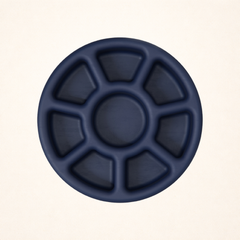
FreezWheel
Introducing the FreezWheel - a dynamic chew toy with a wheel-shaped design featuring multiple...
£25.95
Shop FreezWheel - Durable Interactive Chew -
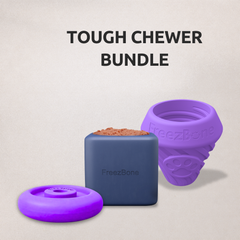
Tough Chewer Bundle
The Tough Chewer Bundle brings together three of our most durable enrichment toys, designed for...
£66.95
Shop Tough Chewer Bundle - Extra-thick natural rubber for power chewers -
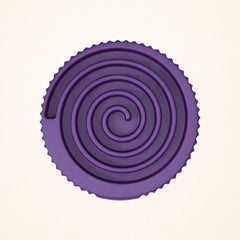
FreezSwirl
Introducing the FreezSwirl—a versatile chew toy with a unique swirling design that takes your...
£25.95
Shop FreezSwirl - Durable Stimulation Toy
Keep reading in Health & Safety

Bonfire Night and fireworks: how to keep your dog calm
A simple before, during and after plan for Bonfire Night, Diwali and New Year's Eve fireworks.

Christmas foods that are dangerous for dogs
Mince pies, pudding, stuffing and turkey bones: what to keep away, what's fine, and a calm plan for the day.

Autumn walk hazards: conkers, acorns and more
Conkers, acorns, mushrooms and dark evenings: what to watch for on autumn walks, and what to do on wet days.