


Your puppy's first week at home: a UK checklist
What to buy, puppy-proofing, sleep, toilet training and the first vet visit, day by day.

The car journey home is done, the puppy is asleep on your foot, and it is starting to dawn on you that you are now responsible for a small, sharp-toothed creature who has no idea where the toilet is. Welcome to the first week. It is exciting, tiring and occasionally damp, and a little planning makes all the difference. This new puppy checklist walks you through the first seven days in a UK home, from puppy-proofing to the first vet visit.
Keep the first few days quiet, with your puppy sleeping near you at night. Take them outside often for toilet breaks and praise every success. Puppy-proof the rooms they will use, book a vet check in the first few days, and ask your vet about vaccinations, worming, fleas and microchip details. A frozen toy in the crate or pen helps your puppy learn that their own space is a good place to be.
What do you need before your puppy comes home?
| Item | Why it matters |
|---|---|
| Bed, plus a crate or puppy pen | A safe, cosy base that is theirs |
| The food they are already eating | Ask the breeder or rescue, and make any change slowly |
| Bowls for food and water | Water should always be available |
| Collar, ID tag and lead | Let them get used to wearing a collar at home first |
| Baby gate | Keeps them out of rooms you have not puppy-proofed, and off the stairs |
| Kitchen roll and a pet-safe cleaner | For the accidents. There will be accidents |
| Puppy-sized chew toys, including one or two you can freeze | Somewhere for those teeth to go other than your hands |
| A blanket that smells of their mum and littermates | Many breeders will give you one if you ask |
How do you puppy-proof a house?
Get down on your hands and knees and look at each room from puppy height. Anything at nose level is going to be investigated, and probably chewed.
- Tuck cables away and lift shoes, socks and children's toys off the floor
- Use bins with lids, and keep cleaning products and medicines in high cupboards
- Keep chocolate, grapes, raisins, onions and anything containing xylitol well out of reach
- Gate the stairs and any room you cannot puppy-proof
- Walk the garden for gaps in fences and hedges, and put slug pellets, weedkiller and other garden chemicals away
What should the first two days look like?
Quiet. It is tempting to invite the whole family round, but your puppy has just left everything they know. Let them explore one or two rooms at their own pace, keep visitors to a minimum and let them sleep as much as they want, which will be a lot. Short bursts of play, a toilet trip, a nap, repeat.
If you have children, sit them on the floor and let the puppy come to them. Our guide to puppy biting and mouthing has more on keeping things calm and safe between children and puppies.
Where should your puppy sleep in the first week?
Most puppies settle far better if they can sleep close to you for the first few nights. That might mean a crate or pen in your bedroom, or you camping out downstairs for a night or two. Add their familiar blanket, keep the room dark and calm, and be ready for a night-time toilet trip. Keep those trips quiet and boring: out, wee, praise, back to bed.
Once your puppy is settling well, you can move their bed gradually to where you want it to be long term. A crying puppy left alone for hours is not learning to settle, so go slowly.
How do you start toilet training a puppy?
When to go out
- As soon as they wake up
- After eating, drinking and play
- Every so often in between, and last thing at night
Where to go
- The same spot in the garden each time
- Stay with them, even when it is raining
When they get it right
- Quiet praise and a small treat straight away
- Then a little time to sniff around
When they get it wrong
- No telling off, ever
- Clean up with a pet-safe cleaner so the smell does not draw them back
When should a new puppy see the vet?
Register with a vet before your puppy comes home if you can, and book a health check within the first few days, or when your breeder or rescue suggests. Take any paperwork you were given. Your vet will check your puppy over and talk you through:
- Vaccinations: which ones your puppy needs, when, and when it is safe to walk them in public places and meet other dogs
- Worming and flea treatment: what to use and how often
- Microchipping: whether your puppy is already chipped, and making sure the details are registered to you
- Diet and growth: how much to feed and how to change food safely
- Neutering: worth asking about now, even if it is a conversation for later
Rules on things like microchipping can change. For the current requirements, check the official guidance on GOV.UK. It is also worth looking at pet insurance early, before any health problems appear, and reading carefully what each policy covers.
How do you help a puppy settle in their crate or pen?
Make it the best spot in the house. Feed meals in there, leave the door open during the day, and give a frozen toy in their bed so they start to link their space with good things. It is also handy for the moments you need two minutes to yourself, like a shower or a work call.
“My puppy (9 wk) spent 25 minutes with her FreezBone. Normally she plays with something for 2 minutes before moving on. Great product! P.S. She slept like a rock afterwards too!”
Patrick L., verified buyer
Those first short spells apart are the start of learning to be alone. If you will be heading back to the office soon, our guide to leaving your dog home alone on office days explains how to build it up gently.
Choose a toy that suits your puppy's size: a small toy for a small mouth, and something bigger as they grow. Our Freezbone size guide makes it easy to pick.
How do you start socialising a puppy at home?
Socialising starts on day one, long before your puppy can walk the streets. Let them hear the hoover, the washing machine, the doorbell and the radio, from a distance at first. Let them meet calm visitors, one at a time. Ask your vet whether you can carry your puppy out to see the world before their vaccinations are complete. Keep every new experience short and pleasant, and let your puppy retreat if it all gets too much.
“My pup loves this, it’s just the right size for him and very durable.”
Sandra D., verified buyer
Your first-week checklist
- Rooms puppy-proofed and the stairs gated
- Bed, crate or pen set up, with a familiar blanket
- Vet registered and a first check booked
- Toilet trips after every nap, meal and play
- Microchip details registered to you
- A frozen toy ready in the freezer for settle time
- Plenty of sleep, and patience for the accidents
By the end of the week you will both be a little more tired and a lot more settled. Next up for most puppies is teething, so have a read of what actually helps a teething puppy before the needle teeth really get going.
Frequently asked questions
-
A bed plus a crate or pen, food and water bowls, the food they are already eating, a collar, ID tag and lead, a baby gate, a pet-safe cleaner and some puppy-sized chew toys, including one or two you can freeze.
-
Many puppies settle much better if they sleep close to you for the first few nights, in a crate or pen by your bed, for example. Once they are settling well, you can move their bed gradually to where you want it long term.
-
Register with a vet early and book a health check in the first few days, or when your breeder or rescue suggests. Your vet will advise on vaccinations, worming, flea treatment and microchip details.
-
Take them out as soon as they wake, after eating, drinking and play, every so often in between and last thing at night. Praise and reward every success, and never tell them off for accidents.
-
Your vet will tell you when your puppy's vaccinations are complete enough for walks in public places and meeting other dogs. Until then, ask whether you can carry them out to see the world.
-
GOV.UK sets out the current microchipping rules for dogs. Your breeder, rescue or vet can tell you whether your puppy is already chipped, and you will need to make sure the details are registered to you and kept up to date.
Shop this guide
Buy 2 save 15% · 3 save 20% · 4 save 25%
-
FreezBall Bundle
More balls, more fun, less prep. This bundle includes two FreezBall enrichment toys, giving your...
£25.95
Shop FreezBall Bundle - Starter Pack -
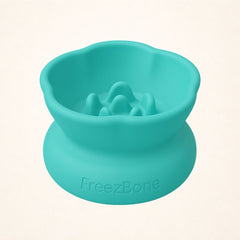
Freezflower Cup
Introducing the FreezFlower Cup, a thoughtfully designed enrichment cup featuring a flower-inspired design to...
£23.95
Shop Freezflower Cup - Frozen Treat Cup for Calm, Happy Dogs -
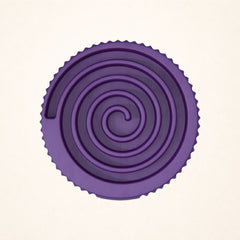
FreezSwirl
Introducing the FreezSwirl—a versatile chew toy with a unique swirling design that takes your...
£25.95
Shop FreezSwirl - Durable Stimulation Toy

Keep reading in Puppies & Training

Puppy biting and mouthing: how to redirect it calmly
Why puppies mouth, how to swap your hands for a toy, and keeping things safe around children.

Puppy teething: what actually helps (and what to avoid)
Cold, safe chews, plenty of naps and the things to keep out of reach while the new teeth come through.

Training With Frozen Toys: 5 Clever Ways to Use a Freezbone
Settle on a mat, crate time, drop it, leave it and recall: make a frozen toy your best reward.