


Puppy biting and mouthing: how to redirect it calmly
Why puppies mouth, how to swap your hands for a toy, and keeping things safe around children.

Your sleeves have holes in them, your ankles are under attack every time you walk to the kettle, and the sweet little puppy you brought home turns into a small crocodile at about seven o'clock each evening. Puppy biting is one of the most common worries for new owners, and the reassuring part is that it is normal. Puppies explore the world with their mouths. Your job is not to stop that altogether, but to show them what their teeth are for.
Puppy mouthing is normal play, not naughtiness. When teeth touch skin, go still and quiet, take your hand away and offer a toy instead, then praise your puppy for biting the right thing. Watch for overtiredness, which makes biting much worse, and use calm settle time with a frozen toy. Always supervise puppies with children, and get help from a qualified trainer if the biting is hard, frequent or not improving.
Why do puppies bite so much?
- Exploring. A mouth is a puppy's hands. Everything gets a test chew.
- Play. Puppies play-bite with their littermates, and you are the new littermate.
- Teething. Sore gums make chewing feel good. Our guide to puppy teething covers that side of things.
- Overexcitement. Visitors, zoomies and rough play all wind puppies up.
- Tiredness. The more tired a puppy gets, the bitier they become, a bit like a toddler who has missed their nap.
How do you redirect puppy biting onto a toy?
1. Have a toy within reach
- Keep a chew or tug toy in every room, or in your pocket
- The quicker you can offer one, the better this works
2. Go still when teeth touch skin
- Stop moving, stay quiet and take your hand away slowly
- Moving hands and feet look like a game
3. Offer the toy
- Wiggle it along the floor to make it interesting
- Praise warmly the moment they bite it instead of you
4. Pause if it carries on
- If your puppy keeps coming back for your hands, calmly step behind a baby gate for a moment
- Come back once they have settled, and try again
Repetition is the whole trick. You may do this dozens of times a day at first, and that is fine. Every time your puppy bites a toy instead of you, they are learning something.
Which toys work best for redirecting?
Long tug toys keep teeth well away from fingers. Soft toys suit gentle mouthers. Rubber chews and fillable toys are good for puppies who want to really get their teeth into something. Keep a few types and rotate them so they stay interesting.
“Both our pups love these! It's especially useful to preoccupy our puppy that does not know what to do with all her energy! Can't wait to buy more shapes and sizes for them to enjoy!”
Bryna W., verified buyer
Why does my puppy bite more in the evening?
Many owners call it the witching hour: that stretch in the evening when your puppy goes from sleepy to wild, bouncing off the sofa and grabbing at anything that moves. It is very often a sign of a puppy who is overtired and overstimulated, not one who needs more play.
Young puppies need a lot of sleep, and they are not always good at taking it themselves. Build regular naps into the day, especially after walks, visitors and play. When the biting ramps up, try calm settle time instead of another game: a quiet spot, their bed or pen, and something to lick and chew.
Freezbone tip
Freeze a small portion of your puppy's dinner in a rubber toy and keep it ready for the evening wind-down. Licking is a naturally calming activity for many dogs, and it gives those teeth a proper job. Our post on using Freezbone chews in training has more ways to use one.
What should you not do when your puppy bites?
Calm and kind
- Going still and quiet when teeth touch skin
- Offering a toy and praising them for using it
- Short play sessions that end before your puppy gets wild
- Plenty of naps and quiet time
Best avoided
- Smacking, tapping the nose or holding the mouth shut
- Shouting, or pinning your puppy down
- Rough hand-wrestling games that teach hands are toys
- Pulling away fast, which turns it into a chase
Punishment tends to make things worse. It can frighten a puppy, damage their trust in you, and teach them that hands coming towards them are bad news, which is the last thing you want in a growing dog.
How do you keep children safe with a biting puppy?
Children and puppies can be wonderful together, but children move fast, squeal and flap, which is all very exciting to a puppy. A few house rules help everyone:
- An adult always supervises when children and the puppy are together
- Children sit on the floor and let the puppy come to them
- No running, chasing, picking the puppy up or waving hands in their face
- Children hold a toy to offer if the puppy starts mouthing
- The puppy has a bed or pen where they can rest and children do not follow
- When an adult cannot watch, use a baby gate or pen to keep them apart
Older children can help with the redirecting, and often enjoy being the person with the toy. If your puppy has only just joined the family, our first week at home checklist has more on calm introductions.
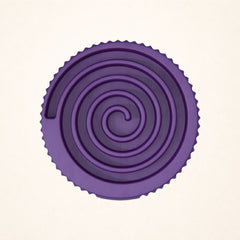
“Very durable and because the swirl that holds the food is small it keeps my puppy busy for longer than some of the other freezbones.”
Kasey M., verified buyer
When should you get help from a qualified trainer?
Most puppy biting fades as your puppy grows up and learns. It is worth getting help if:
- Bites regularly break the skin or are getting harder
- The biting is not easing as your puppy gets older
- Your puppy stiffens, growls, freezes or snaps, rather than playfully mouthing
- They guard food, toys or their bed
- They bite when being touched or handled, which can be a sign of pain, so see your vet first
- You have young children at home and you are worried
Look for a qualified trainer who uses reward-based methods, and ask your vet about a referral to a qualified behaviourist if they think it is needed. Getting help early is far easier than undoing a habit later.
Puppy teeth are sharp, but this stage is short. Stay calm, keep a toy handy and let your puppy rest, and one day you will notice your sleeves have stopped getting new holes.
Frequently asked questions
-
For most puppies, mouthing eases a lot once their adult teeth are through and they have learned what is OK to chew. If it is not improving as your puppy matures, or the bites are getting harder, speak to a qualified trainer.
-
Some owners find a yelp helps, while others find it winds their puppy up even more. Going still and quiet, taking your hand away and offering a toy is a calmer option that suits most puppies.
-
Playful mouthing is normal puppy behaviour. Stiffening, growling, freezing, snapping or guarding food and toys are different, and worth talking to your vet and a qualified trainer or behaviourist about.
-
Always supervise, have children sit on the floor and let the puppy come to them, give them a toy to offer, and avoid running and squealing games. Use a baby gate or pen when an adult cannot watch.
-
The evening witching hour is usually a sign of an overtired, overstimulated puppy. Try a nap or calm settle time with a frozen toy in their bed or pen rather than more play.
Shop this guide
Buy 2 save 15% · 3 save 20% · 4 save 25%
-
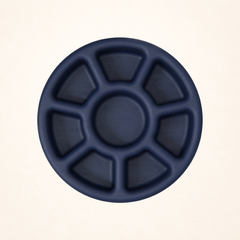
FreezWheel
Introducing the FreezWheel - a dynamic chew toy with a wheel-shaped design featuring multiple...
£25.95
Shop FreezWheel - Durable Interactive Chew -
FreezSwirl
Introducing the FreezSwirl—a versatile chew toy with a unique swirling design that takes your...
£25.95
Shop FreezSwirl - Durable Stimulation Toy -
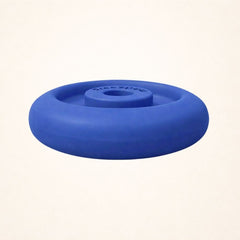
Freez Doughnut
Freez Doughnut: Built for Power Chewers. Loved by Anxious Pups. Got a dog with...
£16.95
Shop Freez Doughnut - Super Durable Treat Toy
Keep reading in Puppies & Training

Your puppy's first week at home: a UK checklist
What to buy, puppy-proofing, sleep, toilet training and the first vet visit, day by day.

Puppy teething: what actually helps (and what to avoid)
Cold, safe chews, plenty of naps and the things to keep out of reach while the new teeth come through.

Training With Frozen Toys: 5 Clever Ways to Use a Freezbone
Settle on a mat, crate time, drop it, leave it and recall: make a frozen toy your best reward.