


Puppy teething: what actually helps (and what to avoid)
Cold, safe chews, plenty of naps and the things to keep out of reach while the new teeth come through.

If your puppy has suddenly decided that your fingers, the table legs and the corner of the rug are all fair game, teething has probably arrived. Those needle-sharp baby teeth are making way for the adult set, the gums underneath are sore, and chewing is how your puppy copes. It does pass. In the meantime, there is plenty you can do to make puppy teething easier on their mouth and on your furniture.
Give your puppy safe, puppy-sized things to chew, and offer something cold, such as a rubber toy with a frozen fill, when their gums seem sore. Keep shoes, cables and anything small enough to swallow out of reach, never give cooked bones, and swap your hands for a toy every time teeth land on skin. If your puppy goes off their food, has gums that stay swollen or keep bleeding, or a baby tooth that will not budge once the adult one is through, see your vet.
When do puppies start teething?
Puppies lose their baby teeth and grow their adult ones in the first months of life, and most of the chewing frenzy tends to happen somewhere between about three and seven months old. Every puppy is different, so treat that as a rough guide rather than a timetable. Your vet will look in your puppy's mouth at their routine appointments and can tell you how things are coming along.
What are the signs of teething in puppies?
- Chewing anything and everything, often more in the evening
- More mouthing of hands, sleeves and trouser legs
- Drooling a little more than usual
- Red or slightly puffy gums
- Small spots of blood on toys
- Tiny teeth on the floor, although puppies often swallow them, which is nothing to worry about
- Being a bit grumpy, or picking at their food for a day or so
What actually helps a teething puppy?
1. Something cold
Cold can feel lovely on sore gums. A rubber toy with a frozen fill gives your puppy three things at once: something cold, something to chew and something to lick. Keep the fill simple. A spoonful of their usual puppy food, softened with a little warm water and frozen in the toy, is plenty to start with. Once your puppy is used to it, the Freezbone recipe videos have more ideas, but introduce new ingredients slowly and check with your vet if your puppy has a sensitive tummy.
“The freezebones are working out perfectly for my foster puppy who is teething and had a limb amputated. The cold deliciousness inside helps soothe her teephers and distract from post surgery pain.”
Patti M., verified buyer
2. A toy that fits their mouth
Too big and your puppy cannot get a proper grip. Too small and it becomes something they could swallow. The Freezball comes in an S size for dogs under 5 kg and an M size for dogs up to 10 kg, so you can start small and size up as your puppy grows. Our Freezbone size guide goes through the options by weight and chewing style.
3. Choice
Puppies get bored of one texture. Keep three or four chew toys on the go, firm and soft, and swap them around every few days so there is always something that feels new.
4. More sleep than you think
An overtired puppy chews harder and nips more. If your puppy is getting wilder as the evening goes on, they probably need a nap more than another game. A frozen toy in their bed or pen is a good way to help them wind down.
What should you not give a teething puppy?
Good to chew
- Puppy-sized rubber chew toys, frozen or plain
- Part of their daily food, frozen inside a toy
- A mix of firm and softer toys, rotated every few days
- New toys given while you are watching, until you know how your puppy uses them
Keep well away
- Cooked bones of any kind, which can splinter
- Anything small enough to swallow, including bits broken off old toys
- Shoes, socks, cables, remote controls and children's toys
- Very hard items with no give in them at all
- Chocolate, grapes, raisins, sultanas, onion, garlic, macadamia nuts and anything containing xylitol
- Human teething gels or painkillers. Only use what your vet gives you
How do you give a frozen toy to a young puppy?
Fill a little
- Start with a small portion, not a full toy
- Count it as part of the day's food
Freeze
- A few hours, or overnight
- Stand it upright in the freezer drawer so the fill sets level
Watch
- Stay nearby for the first few goes
- Take it away if any piece breaks off
Wash and check
- Rinse it out after every use
- Look it over for wear before the next fill
“These are perfect. Keeps my puppy busy for 30-40 minutes.”
Shari B., verified buyer
Timing helps too. Many owners find a frozen toy works best straight after play or a short training session, when your puppy is ready to calm down. It also makes the crate or pen a nicer place to be.
How do you stop a teething puppy chewing the furniture?
You cannot stop the urge to chew, but you can steer it. Pick up anything you would hate to lose, and use a baby gate or puppy pen so your puppy is not loose in the house unsupervised. When you catch them chewing the wrong thing, do not tell them off. Calmly swap it for one of their toys and praise them the moment they take it.
Hands and ankles get the same treatment: teeth on skin means the game pauses and a toy appears instead. Our guide to puppy biting and mouthing goes through it step by step, and if your puppy has only just arrived, the first week at home checklist covers puppy-proofing room by room.
When should you see the vet about teething?
- Your puppy goes off their food for more than a day
- Gums are very swollen, bleed a lot or smell unpleasant
- A baby tooth is still in place right next to the adult tooth that should have replaced it
- A tooth looks broken or discoloured
- Your puppy keeps pawing at their mouth or drools heavily
- Their bite looks uneven, or teeth seem to be catching on the gums
Teething is a phase, not a forever. Give your puppy safe things to chew, something cold for the sore days and plenty of naps, and you will both come out the other side with your sanity, and most of your skirting boards, intact.
General information, not veterinary advice. If you are worried about your puppy's teeth or gums, speak to your vet.
Frequently asked questions
-
Most of the chewing happens between about three and seven months old, while the baby teeth fall out and the adult teeth come through. Every puppy is different, and your vet can check how things are going at routine appointments.
-
Plain ice is very hard and disappears quickly. Many owners find a frozen fill inside a puppy-sized rubber toy works better: it is cold, it lasts longer and your puppy chews the rubber rather than crunching ice. Ask your vet if you are unsure.
-
Start with a small portion of their usual puppy food, softened with a little warm water and frozen inside a rubber toy. Introduce any new ingredients slowly, and never use chocolate, grapes, raisins, onion, garlic or anything with xylitol.
-
A few small spots of blood on toys can be normal while teeth are coming through. If the gums bleed a lot, look very swollen or smell unpleasant, or your puppy stops eating, see your vet.
-
Often, yes. Many baby teeth are swallowed while eating or chewing and pass through without any problem, which is why you may never find them.
-
Sore gums, an urge to chew and simple overtiredness all play a part. Keep a toy to hand, go still when teeth touch skin, offer the toy instead and make sure your puppy is getting enough sleep.
Shop this guide
Buy 2 save 15% · 3 save 20% · 4 save 25%
-
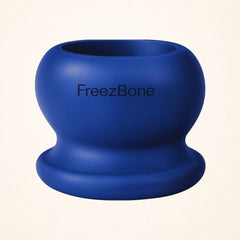
Freezball
Looking for a long-lasting dog bone that can keep up with your active chewer?...
£15.95
Shop Freezball - Durable Fillable Dog Chew Bone -
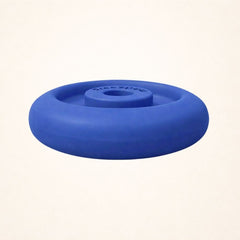
Freez Doughnut
Freez Doughnut: Built for Power Chewers. Loved by Anxious Pups. Got a dog with...
£16.95
Shop Freez Doughnut - Super Durable Treat Toy -
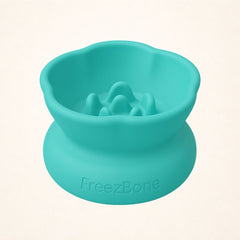
Freezflower Cup
Introducing the FreezFlower Cup, a thoughtfully designed enrichment cup featuring a flower-inspired design to...
£23.95
Shop Freezflower Cup - Frozen Treat Cup for Calm, Happy Dogs
Keep reading in Puppies & Training

Puppy biting and mouthing: how to redirect it calmly
Why puppies mouth, how to swap your hands for a toy, and keeping things safe around children.

Your puppy's first week at home: a UK checklist
What to buy, puppy-proofing, sleep, toilet training and the first vet visit, day by day.

Training With Frozen Toys: 5 Clever Ways to Use a Freezbone
Settle on a mat, crate time, drop it, leave it and recall: make a frozen toy your best reward.