


Is My Pet Diabetic? Spotting the Signs and Living Well With Diabetes
The signs, the vet tests, and how meals and treats work once your dog or cat is diagnosed.

You fill the water bowl before work, and by lunchtime it is empty again. The garden trips have doubled. Your dog seems as hungry as ever, yet you can feel their ribs a little more than you used to. Each thing on its own is easy to wave away. Together, they are worth a conversation with your vet, because they are classic early signs of diabetes in dogs and cats.
A diagnosis can feel daunting. But with early recognition and a steady routine, many diabetic pets go on to live comfortable, happy lives. Here is what to look for, what happens at the vet, and how everyday life (treats included) changes afterwards.
Diabetes means your pet's body cannot regulate blood sugar properly, so it cannot turn food into energy. Watch for more thirst, more weeing, weight loss despite a good appetite, tiredness and slow healing. It is manageable, usually with insulin or other medical support, consistent meal times and measured portions. If you spot a pattern, book a vet appointment rather than waiting.
Why is my dog drinking so much water?
Increased thirst has plenty of possible causes, and diabetes is one of the best known. When there is too much glucose in the blood, it pulls water out of the body. Your pet wees more, loses fluid, and drinks more to make up for it. If you are refilling the bowl more often, or your cat is using the litter tray far more than usual, take note.
It is common for owners to put this down to old age or warm weather. That is exactly why diabetes so often goes unnoticed early on: it develops slowly, and the first signs look ordinary.
What actually is diabetes in dogs and cats?
Diabetes happens when the body struggles to regulate blood sugar (glucose). Either the pancreas stops producing enough insulin, or the body stops responding to insulin as it should. The upshot is simple: your pet's body cannot use food properly to make energy, which is why they may seem tired, lose weight or drink more.
| Dogs | Cats | |
|---|---|---|
| Usual type | Often similar to Type 1 diabetes in people: the pancreas stops producing insulin altogether | More likely to be similar to Type 2: linked to obesity, poor diet or insulin resistance |
| Outlook once stable | Many regain their playfulness and appetite | Many diabetic cats go into remission |
Other things can raise the risk too, including chronic pancreatitis, hormonal changes and some medicines. Age plays a part, but it is not everything: younger pets can develop diabetes as well, especially if they are overweight or prone to inflammation.
What are the other symptoms of diabetes in pets?
Beyond thirst, these are the signs seen most often. Any one of them that persists deserves attention.
Weight loss with a good appetite
- One of the biggest red flags
- The body cannot turn food into usable energy, so it breaks down fat and muscle instead
Tiredness and low mood
- Skipping play, a cat who seems less curious
- A dull coat or a sudden change in mood
Cloudy eyes or vision changes
- Long-term diabetes can cause cataracts in dogs
- Cats may hesitate before jumping or exploring
Infections and slow healing
- Repeated urinary infections or skin irritation
- Wounds that take longer than usual to heal
How do vets test for diabetes?
Do not panic, but do not wait either. Diabetes is manageable, especially when it is caught early.
- Book an appointment as soon as you notice a pattern.
- Take notes with you: water intake, appetite, how often they wee, energy levels. These details help your vet more than you might think.
- Expect blood and urine tests. They confirm whether sugar levels are high and help show which type of diabetes your pet may have.
- Ask about home monitoring. Your vet can show you how to check glucose or spot signs that things are out of balance.
Weight loss and appetite changes can have other causes too, which is another reason not to guess. Our guide to the changes worth showing your vet covers some of them.
What does daily life with a diabetic dog look like?
Managing diabetes takes commitment, but once the routine settles, most pets adapt well. Consistency is the whole game:
- Same meal times every day, with measured portions
- Regular walks or gentle play rather than feast-or-famine exercise
- The right food: some pets need a special diet, typically high in protein, moderate in fat and lower in carbohydrates. Ask your vet what suits yours
- Treatment as prescribed: diet alone rarely cures diabetes, and most pets need insulin or other medical support
Routine is the treatment's best friend: same food, same times, same amounts.
Can a diabetic dog still have treats?
This is the question most owners ask next, and the honest answer is: it depends on your dog's plan, so ask your vet first. What you can almost always keep is the fun of a treat without adding much to it.
A frozen lick toy is useful here because the enjoyment comes from the time spent working at it, not the amount inside. Take the fill from your dog's measured daily food instead of adding extra, keep portions small, and the treat becomes part of the plan rather than a break from it.
Lower-calorie ideas (with your vet's OK)
- Some of their own measured kibble or prescribed food, soaked and frozen
- Mostly water with a few pieces of kibble frozen in
- A thin smear of the fill spread into the grooves rather than a packed toy
Skip
- Honey, syrups and anything with added sugar
- Sweet fruit purées and fruit yoghurts
- Big dollops of peanut butter or cheese
- Anything sugar-free that may contain xylitol, which is toxic to dogs
Freezbone tip
Weigh out tomorrow's food tonight, set a small portion aside for the toy and freeze it. That way the treat is already counted, and nobody in the house is tempted to "top it up".
Is diabetes a death sentence for a pet?
No. With treatment and the right lifestyle changes, pets with diabetes can live for years with a good quality of life. Once stable, many diabetic cats go into remission, and dogs often get their playfulness and appetite back.
Calm helps too. Keeping meals, play and sleep consistent supports steady blood sugar, and enrichment toys can make eating more enjoyable and less stressful. Batch-freezing a week of portioned fills, as in our Sunday meal prep guide, keeps the routine easy to stick to. For older dogs, our piece on frailty in senior dogs is worth reading alongside this one.
And if your dog has been tested, cleared of diabetes, but still seems tired, anxious or uninterested in food, a little gentle stimulation at mealtimes can help them find their appetite again.
When should I ring the vet?
- Drinking and weeing noticeably more than usual
- Losing weight while eating normally or more
- New cloudiness in the eyes
- Infections that keep coming back, or wounds slow to heal
- A diabetic pet who seems unwell, weak or off their food
Noticing the little things early gives you options, and that is what makes the difference.
General information, not veterinary advice. Always follow your vet's plan for diet, treats and insulin, and check before changing what or when your pet eats.
Frequently asked questions
-
Drinking and weeing more, losing weight despite a normal or bigger appetite, tiredness and slow-healing wounds. Cloudy eyes can appear with long-term diabetes.
-
Often yes, but ask your vet first. Take treats from the measured daily food rather than adding extra, keep portions small, and avoid anything sugary or containing xylitol.
-
In most cases, no. Nutrition matters, especially for cats, but most pets need insulin or other medical support.
-
Yes. Once their diabetes is stable, many diabetic cats go into remission.
-
With treatment and a consistent routine, pets with diabetes can live for years with a good quality of life.
Shop this guide
Buy 2 save 15% · 3 save 20% · 4 save 25%
-
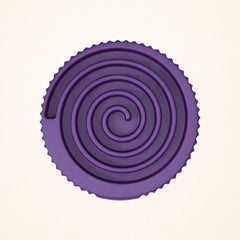
FreezSwirl
Introducing the FreezSwirl—a versatile chew toy with a unique swirling design that takes your...
£25.95
Shop FreezSwirl - Durable Stimulation Toy -
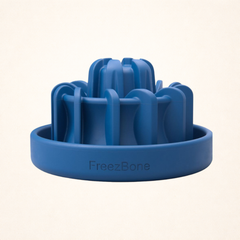
FreezLava Heavy-Duty Enrichment Chew
Introducing the FreezLava - a versatile chew toy with a unique lava-inspired design that...
£26.95
Shop FreezLava Heavy-Duty Enrichment Chew -
FreezDrip Cat Flow Slow Feeder
A versatile cat toy with a unique lava-inspired design, the FreezDrip brings an extra...
£11.19
Shop FreezDrip Cat Flow Slow Feeder

Keep reading in Health & Safety

Bonfire Night and fireworks: how to keep your dog calm
A simple before, during and after plan for Bonfire Night, Diwali and New Year's Eve fireworks.

Christmas foods that are dangerous for dogs
Mince pies, pudding, stuffing and turkey bones: what to keep away, what's fine, and a calm plan for the day.

Autumn walk hazards: conkers, acorns and more
Conkers, acorns, mushrooms and dark evenings: what to watch for on autumn walks, and what to do on wet days.