


Cancer in Dogs and Cats: The Small Changes Worth Showing Your Vet
A monthly home check, the six changes to look out for, and what to tell your vet.

Nobody knows your dog's normal like you do. The way they bound to the door, the spot they like scratched, how fast the biscuit disappears. That knowledge is the best early warning system your pet has, because cancer in dogs and cats rarely announces itself. It usually starts as something small that simply does not go away.
This is not a guide to worry by. Many lumps are harmless and many changes have simple explanations. It is a guide to noticing, so that if something does need attention, your vet sees it early, when there are more options for comfort, treatment and good years together.
The early signs of cancer in pets include lumps that stay or grow, wounds that will not heal, changes in appetite or weight, changes in toilet habits, unusual tiredness, and trouble eating, swallowing or breathing. None of these means cancer on its own. Note what you see, including when it started and how it has changed, and book a vet appointment.
Why does catching cancer early matter?
Early detection gives vets more choices. It can mean treating a smaller growth before it spreads, easing discomfort sooner and, above all, protecting quality of life. Plenty of pets go on to live full, happy years because someone noticed something unusual and acted quickly.
Your job is not to diagnose. It is to notice, and to tell your vet.
How do I check my dog for lumps at home?
Once a month, make a gentle nose-to-tail check part of a cuddle on the sofa. Most pets think it is just a very thorough fuss.
Feel
- Run your hands slowly over the whole body
- Include the belly, armpits, legs and tail
Look
- Scabs, flaky patches or sores that linger
- Anything that bleeds easily
Record
- When you first found it and roughly how big it is
- A dated photo on your phone makes changes easy to spot
Compare
- Check the same spot next month
- Bigger, firmer or sore? Time to book in
What does a worrying lump feel like?
Finding a bump under the skin is common, and many are harmless, such as fatty deposits or cysts. The ones to get checked are lumps that change size, feel firm or uneven, or seem painful when touched.
You cannot tell from the outside what a lump is, and neither can anyone else. Your vet may take a small sample with a fine-needle test or a biopsy. That quick step saves a lot of anxiety and, if treatment is needed, means it can start sooner.
What other early signs of cancer should I look out for?
| Sign | What to look for |
|---|---|
| Wounds that will not heal | A sore that lingers, bleeds easily or does not close after weeks, even when kept clean. Some skin cancers start as small scabs or flaky patches. |
| Appetite or weight changes | Eating less, losing interest in food, or losing weight with no change in diet. Weight loss can be one of the first visible signs of internal illness. |
| Toilet habit changes | Weeing more often, straining to pass a stool, persistent diarrhoea, or a cat avoiding the litter tray |
| Tiredness or behaviour changes | Ongoing fatigue or losing interest in favourite things. Cats may hide more; dogs may prefer to lie alone rather than join walks or play. |
| Trouble eating, swallowing or breathing | Frequent coughing, noisy breathing or struggling to swallow. Oral and lung tumours can make these basics uncomfortable. |
Most of these have other, more common causes too, from dental problems to infections or bladder and kidney issues. That is the point of the vet visit: ruling out the serious causes is always the safer route. Some of the same signs, such as weight loss and increased thirst, also overlap with diabetes in dogs and cats.
Is it just old age, or something more?
Ageing naturally slows pets down. Cancer more often brings change that is consistent or getting worse: steady weight loss, visible discomfort, or a poor appetite that does not pick up. If you are unsure, trust your instincts. You know your pet better than anyone, and "they just don't seem right" is a perfectly good reason to book an appointment. Our guide to frailty in senior dogs covers the slower changes of later life.
Cancer is not only an older-pet problem, either. It is more common in older animals, but younger ones can develop it, especially where there is a genetic link or exposure to certain factors. Regular check-ups matter at every age.
My dog has gone off their food: what helps once the vet has checked?
Only once your vet has ruled out cancer or another major illness: if your dog is still fussy with meals, try making eating a more enjoyable, lower-pressure activity. An enrichment feeder turns dinner into a rewarding bit of play, which can help a picky dog take an interest in their food again.
Use their usual food, or something your vet has recommended, so the toy changes how they eat rather than what.
How can I help a quieter pet who has been given the all-clear?
If your vet has confirmed that tiredness or low mood is not down to illness, your pet may just need gentle stimulation and a little comfort. Calm activities that combine play and relaxation, like licking a frozen fill, can ease boredom and lift their spirits without physical strain. That works for cats as well as dogs.
For cats, keep fills small and use their own wet food. For dogs, a frozen lick toy after a gentle walk is an easy, calming ritual.
Keep watching for the changes above, though. An all-clear today is the start of paying attention, not the end of it.
What should I tell the vet?
Write down what you have noticed before the appointment. It is easy to forget details once you are in the consulting room.
- When it started, and how it has changed since
- Any other symptoms, however minor
- Whether your pet is still eating normally
- For a lump: where it is, its size, and whether it feels hard or soft
Freezbone tip
Keep a simple running note on your phone: dates, weights, photos of anything you are watching. Patterns that are invisible day to day become obvious over a few months.
When should I book a vet appointment?
- A lump that grows, changes, feels firm or uneven, or seems painful
- A wound that has not healed after a few weeks of keeping it clean
- Weight loss with no change in diet
- Persistent diarrhoea, straining or a change in weeing
- Ongoing coughing, noisy breathing or trouble swallowing
- Fatigue or hiding that lasts rather than passes
And keep up an annual vet visit even when your pet seems perfectly healthy. Our guide to the quiet signs your dog needs more from their day is a good companion read.
Caring for a pet means paying attention to what they cannot say. If something seems off, taking that step towards your vet is not overreacting. It is looking after someone who trusts you completely.
General information, not veterinary advice. Only a vet can tell you what a lump or symptom is, so book an appointment if you notice any of these changes.
Frequently asked questions
-
Lumps that stay or grow, wounds that do not heal, appetite or weight changes, changes in toilet habits, unusual tiredness, and trouble eating, swallowing or breathing. Each has other causes, so see your vet.
-
Do not panic: many lumps are harmless, like fatty deposits or cysts. The only way to know is for your vet to take a small sample with a fine-needle test or biopsy.
-
Once a month, gently feel along your pet's whole body and note the size and date of anything you find, so you can see whether it changes.
-
Yes, although it is more common in older pets. Younger animals can develop it, especially with a genetic link, so regular check-ups matter at any age.
-
Ageing tends to slow pets down gradually. Cancer more often brings consistent or worsening change, such as weight loss or a poor appetite that does not improve. If in doubt, see your vet.
Shop this guide
Buy 2 save 15% · 3 save 20% · 4 save 25%
-
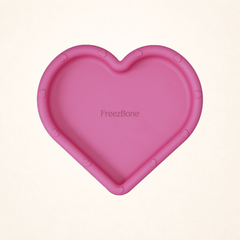
FreezHeart
A heartfelt chew toy designed to make Valentine’s Day special for your furry friend....
£22.95
Shop FreezHeart - Durable Heart Enrichment Chew -
FreezPounce Cat Durable Fillable
Introducing the FreezPounce, a dynamic and long-lasting enrichment toy for cats. It's designed to...
£8.39
Shop FreezPounce Cat Durable Fillable -
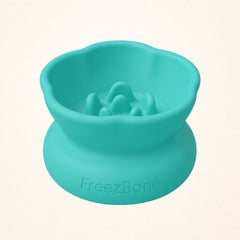
Freezflower Cup
Introducing the FreezFlower Cup, a thoughtfully designed enrichment cup featuring a flower-inspired design to...
£23.95
Shop Freezflower Cup - Frozen Treat Cup for Calm, Happy Dogs

Keep reading in Health & Safety

Bonfire Night and fireworks: how to keep your dog calm
A simple before, during and after plan for Bonfire Night, Diwali and New Year's Eve fireworks.

Christmas foods that are dangerous for dogs
Mince pies, pudding, stuffing and turkey bones: what to keep away, what's fine, and a calm plan for the day.

Autumn walk hazards: conkers, acorns and more
Conkers, acorns, mushrooms and dark evenings: what to watch for on autumn walks, and what to do on wet days.