


Frailty in Older Dogs: What Vets Now Look For, and How to Help at Home
How to tell ageing from frailty, the five areas vets assess, and gentle ways to help at home.

The walk round the block that used to be the warm-up is now the whole walk. Getting up off the bed takes a moment longer when you pick up the lead. Dinner is not quite the event it was. Most owners call this "getting on a bit", and often it is. But some older dogs are becoming frail, and frailty is something you and your vet can spot, measure and do something about.
A frailty assessment tool developed by veterinary researchers gives that process some structure. Here is what frailty is, what the assessment looks at, and how to help an older dog stay comfortable and engaged.
Frailty is a gradual decline in how an older dog's body works, which leaves them more vulnerable to illness and a lower quality of life. A frailty assessment scores five areas: mobility, body condition, cognition, appetite and quality of life. Spotting it early means your vet can adjust diet, exercise and pain relief sooner.
Is my dog just old, or becoming frail?
Every dog ages, but frailty is more specific. It is a decline in physical function across several areas at once, and it can show up as weight loss, reduced mobility and a tendency to pick up infections more easily.
The trouble is that it creeps in. Each change is small enough to file under "old age", which is why recognising the pattern early matters so much, for owners and vets alike. Caught early, the right changes can make a real difference to how comfortable those later years are.
What does the frailty assessment look at?
The tool evaluates a range of health and behaviour indicators and uses a scoring system to give an objective measure of how frail a dog is. It is designed to pick up early signs that owners can easily miss.
| Area | What it assesses | What you might notice at home |
|---|---|---|
| Mobility and strength | Moving, walking and standing up without difficulty | Hesitating before getting up, slowing on walks; weakness can point to muscle loss or joint pain |
| Body condition and weight | Weight changes and muscle mass | Sudden or gradual weight change, often linked to less activity or a slower metabolism |
| Cognition and interaction | Memory, interaction, response to familiar commands and routines | Forgetting cues they have known for years, seeming confused by everyday routines |
| Appetite and hydration | Changes in eating and drinking habits | Leaving food, eating differently; causes range from dental discomfort to digestive problems |
| Quality of life | Mood, energy and social behaviour | Less playful, less interested in things they used to love, which can signal pain or discomfort |
How does a frailty score help me and my vet?
The real value is consistency. Instead of "he seems a bit slower", you and your vet have a standard way to assess and track frailty over time.
- You can track changes at home with clear guidelines, and bring specifics to appointments.
- Early signs are harder to miss. Frailty progresses gradually, and a structured check encourages earlier action.
- Care can be tailored. Knowing which areas are slipping helps you make better decisions about diet, exercise and the home setup.
- Vet visits become more useful, because progress and new problems are measured against the same yardstick.
The aim is not a score for its own sake. It is noticing sooner, so you can act sooner.
Can anything be done if my dog is frail?
Yes. Early detection can lead to timely treatment that may slow things down, which means a better quality of life and possibly a longer one. Depending on what the assessment shows, your vet might suggest:
- Changes to diet
- Physiotherapy
- Medicines to manage pain and other symptoms
Acting early can also reduce the risk of complications. Weight and appetite changes are worth raising promptly in any case, as they can overlap with conditions such as diabetes or the early signs of cancer.
How do I make life easier for an older dog?
Helps
- Regular vet check-ups to track changes
- A balanced, easily digestible diet suited to their age and health
- Gentle, regular exercise such as walking or swimming
- A cosy spot with supportive bedding
- Ramps, and food and water within easy reach
Makes it harder
- Long, strenuous walks squeezed into the weekend
- Slippery floors and steps with no help
- Food and water bowls in awkward places
- Writing off every change as "just old age"
What enrichment suits a senior dog?
An older body may slow down, but the mind still wants something to do. Gentle play, short training sessions and interactive toys keep a senior dog's mind engaged and help ease boredom and stress, without asking much of stiff joints.
A frozen lick toy works well here. Licking is calm, low-impact and absorbing, and the toy can sit on the floor so your dog does not need to grip it. A few senior-friendly tweaks:
- Keep the fill soft. Use soaked kibble or their usual wet food, and freeze for a shorter time so it is easier on older teeth.
- Take it from their daily food. Weight matters with frailty, so the fill should be part of the day's portion, not extra.
- Choose the right size. A smaller toy means a smaller portion and less frustration.
- Stay nearby and lift the toy once the food is finished.

For autumn and winter ideas that suit a slower dog, see our indoor enrichment for dark evenings. And for a reminder of how much life older dogs still have in them, our senior rescue stories are a lovely read.
When should I call the vet about my older dog?
- Struggling to stand, walk or manage steps
- Losing weight or muscle, especially quickly
- Seeming confused by familiar routines or commands
- Eating or drinking noticeably less, or differently
- Losing interest in play and things they used to enjoy
Frailty does not have to mean an early goodbye. Noticed early and managed well, it can mean more comfortable, contented years together.
General information, not veterinary advice. Speak to your vet about any changes in your older dog's mobility, weight, appetite or behaviour.
Frequently asked questions
-
Weight or muscle loss, struggling to get up or walk, changes in appetite, confusion with familiar routines, and less interest in play. Raise any of these with your vet.
-
A scoring tool developed by veterinary researchers that looks at mobility, body condition, cognition, appetite and quality of life to give an objective measure of frailty.
-
Early detection can lead to timely treatment, such as diet changes, physiotherapy and pain relief, which may slow it and improve quality of life.
-
Gentle play, short training sessions and calm enrichment such as a frozen lick toy with a soft fill keep an older dog's mind busy without straining their body.
-
Regular, gentle exercise such as walking or swimming helps maintain mobility. Ask your vet what suits your dog.
Shop this guide
Buy 2 save 15% · 3 save 20% · 4 save 25%
-
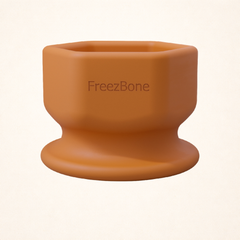
FreezCup
FreezCup is a compact, versatile chew toy with a unique cup-shaped design that takes...
£25.95
Shop FreezCup - Long-Lasting Chew Fun -
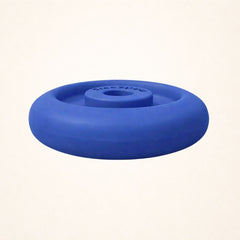
Freez Doughnut
Freez Doughnut: Built for Power Chewers. Loved by Anxious Pups. Got a dog with...
£16.95
Shop Freez Doughnut - Super Durable Treat Toy -
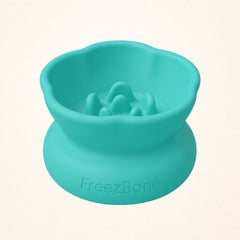
Freezflower Cup
Introducing the FreezFlower Cup, a thoughtfully designed enrichment cup featuring a flower-inspired design to...
£23.95
Shop Freezflower Cup - Frozen Treat Cup for Calm, Happy Dogs
Keep reading in Health & Safety

Bonfire Night and fireworks: how to keep your dog calm
A simple before, during and after plan for Bonfire Night, Diwali and New Year's Eve fireworks.

Christmas foods that are dangerous for dogs
Mince pies, pudding, stuffing and turkey bones: what to keep away, what's fine, and a calm plan for the day.

Autumn walk hazards: conkers, acorns and more
Conkers, acorns, mushrooms and dark evenings: what to watch for on autumn walks, and what to do on wet days.